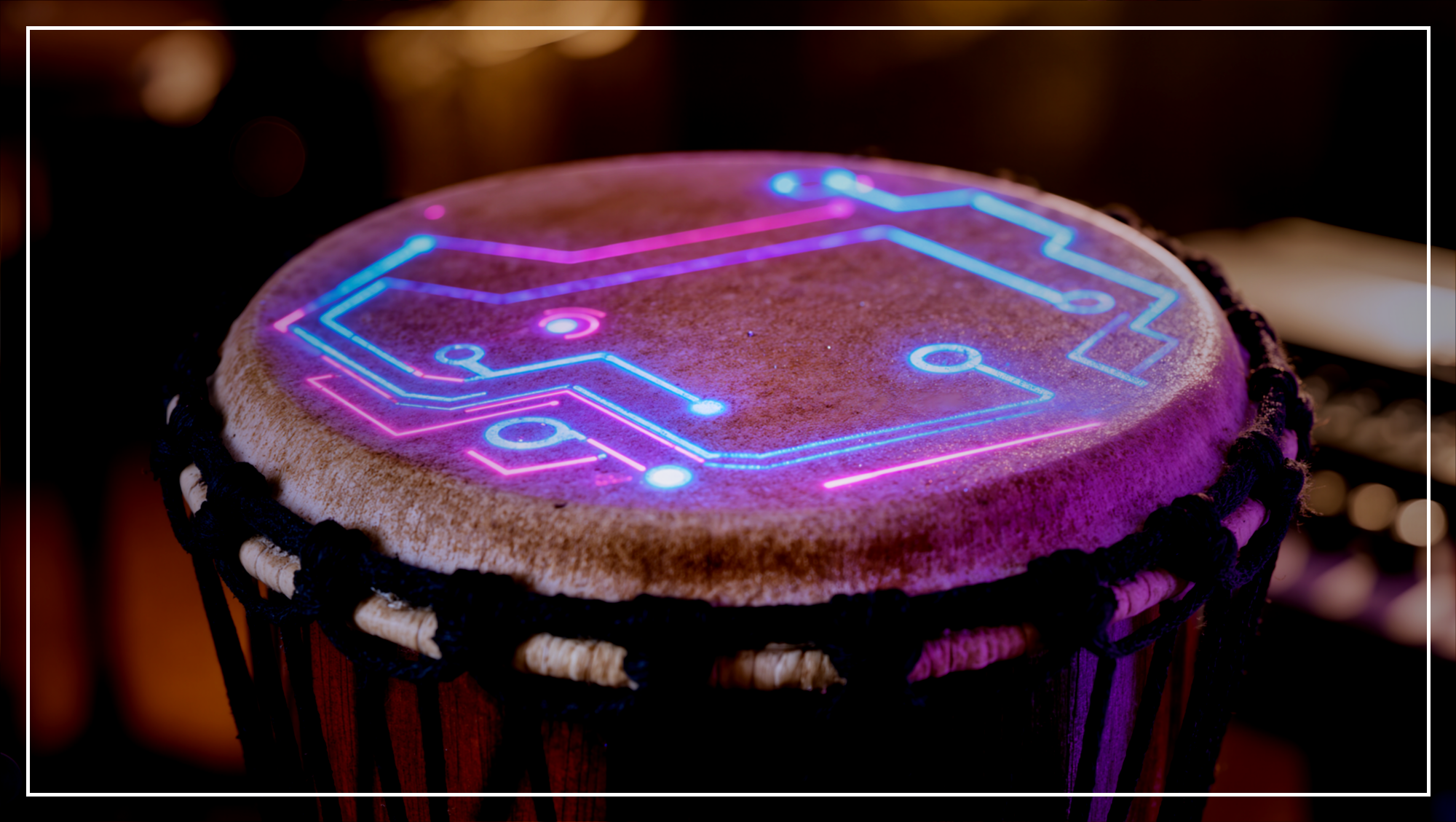

The soft, syncopated click of a wooden rim-shot against an off-kilter, three-step kick pattern—the sound that is currently rewriting the vocabulary of the dancefloor. For years, the global house conversation remained largely tethered to the rigid, four-on-the-floor kick drum of the Chicago and European schools. But listen closely to the latest EP from South African vocalist Shekhinah, Love on Repeat Vol 1, and you can hear that structural foundation cracking under the weight of something far more rhythmic and visceral: the South African "three-step" house movement. This shift represents more than just a passing trend; it is a fundamental realignment of what a modern dance track can prioritize.
By discarding the predictable, grid-locked loops of mainstream house for the swing-heavy, polyrhythmic complexity of the three-step pattern, Shekhinah is challenging the homogenized monoculture that has stagnated the genre. For a critic, this is a breath of fresh air. We have spent nearly a decade listening to producers prioritize sub-bass dominance over groove architecture, resulting in tracks that feel physically imposing but intellectually hollow. The South African house aesthetic, conversely, invites the listener into a percussive conversation. It requires a different type of engagement—one that demands the listener feel the "swing" before the bass enters the fold.
This resurgence of global textures is a masterclass in how to inject organic, restless humanity back into the machine. When analyzing these tracks through the lens of production, one notices a departure from the sterile, quantized perfection of DAW-driven tech-house. Instead, there is a deliberate use of space, layered percussion, and soulful, human-centric vocals that bridge the gap between regional identity and global reach. It is a necessary disruption to the status quo.
The industry’s rush to consume this sound is, in some ways, a reaction to the sterility of contemporary club music. As producers and listeners alike seek out sounds that feel less like product and more like living, breathing art, these global rhythms provide the necessary emotional texture to ground us. As the production data suggests a 778% surge in interest, it becomes clear that this isn't just about a "new sound"—it is about a shift in the philosophy of dance floor engagement. Ultimately, the future of the underground is not found in the pristine digital production of the last ten years, but in the swing of the rhythm and the humanity of the performance; the soft, syncopated click of a wooden rim-shot against an off-kilter, three-step kick pattern.