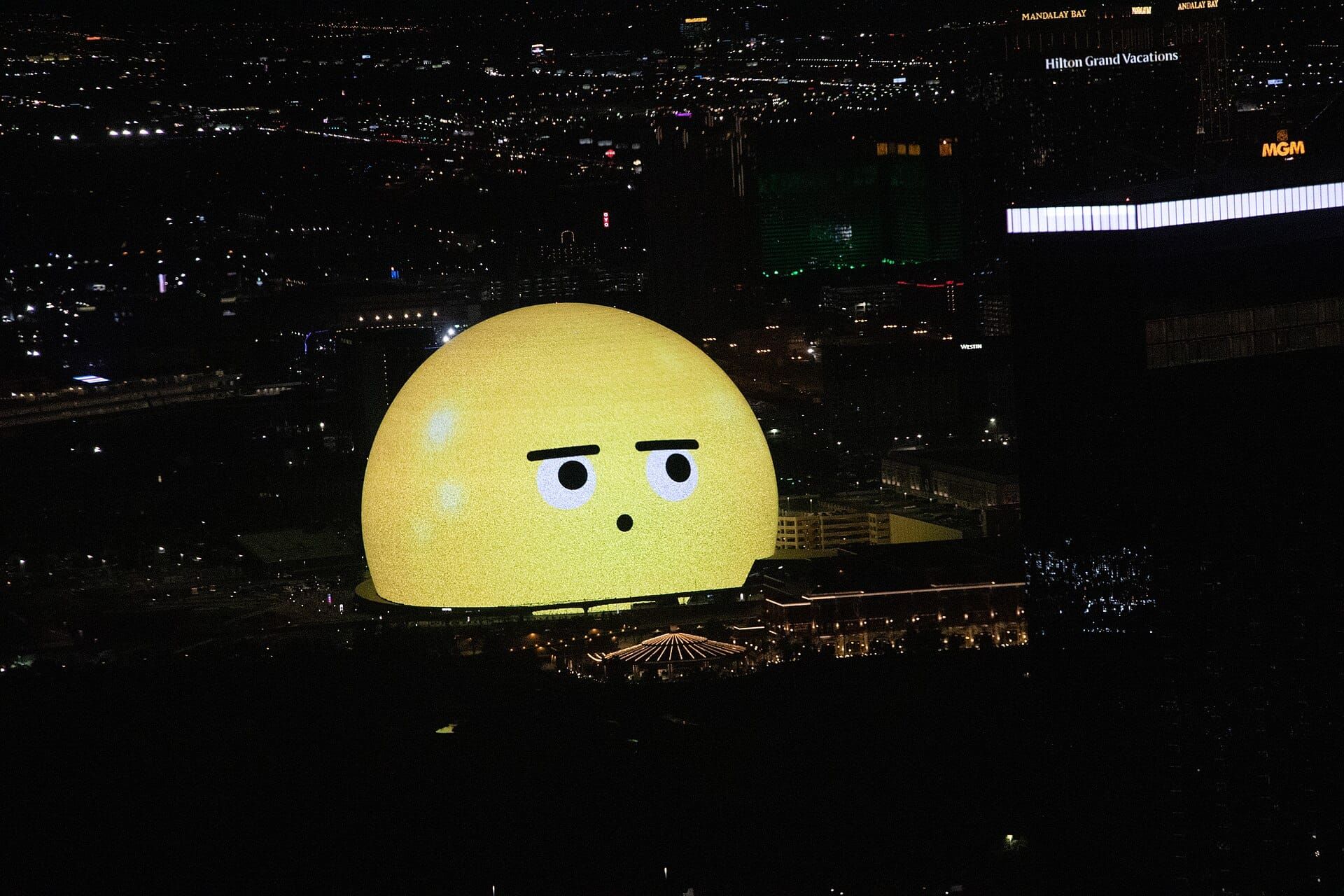
Prince George's County just approved a $1.4 billion, 6,000-seat immersive venue for National Harbor, Maryland — and its smaller size is the actual selling point, not a compromise. The project is the first confirmed location in a planned global network of scaled-down Sphere venues, with an early 2030 opening target. For electronic acts built around visual-heavy live shows, a venue a third the size of the original Las Vegas Sphere could end up being the more useful stage.
The original Sphere is overkill for most DJs
Las Vegas's Sphere seats roughly 18,000 and has already hosted electronic acts, but that capacity is a tall order to fill on a regular touring run — it's built for the biggest residencies and the biggest budgets. Most electronic artists, even arena-level ones, don't need 18,000 seats to justify a fully immersive production. They need the technology at a scale they can actually sell out.
6,000 seats is the Goldilocks number
At 6,000 seats, the Maryland venue sits in a sweet spot: big enough to justify an immersive production budget, small enough that a strong electronic act can reasonably fill it without needing a once-in-a-career residency deal. That's a more repeatable business model — for the venue and for the artists who'd play it.
- Capacity — 6,000 seats, versus roughly 18,000 at the original Las Vegas Sphere.
- Cost — $1.4 billion, approved by Prince George's County.
- Timeline — early 2030 target opening.
- Significance — first location in a planned global network of smaller Sphere-style venues.
What it means for the East Coast
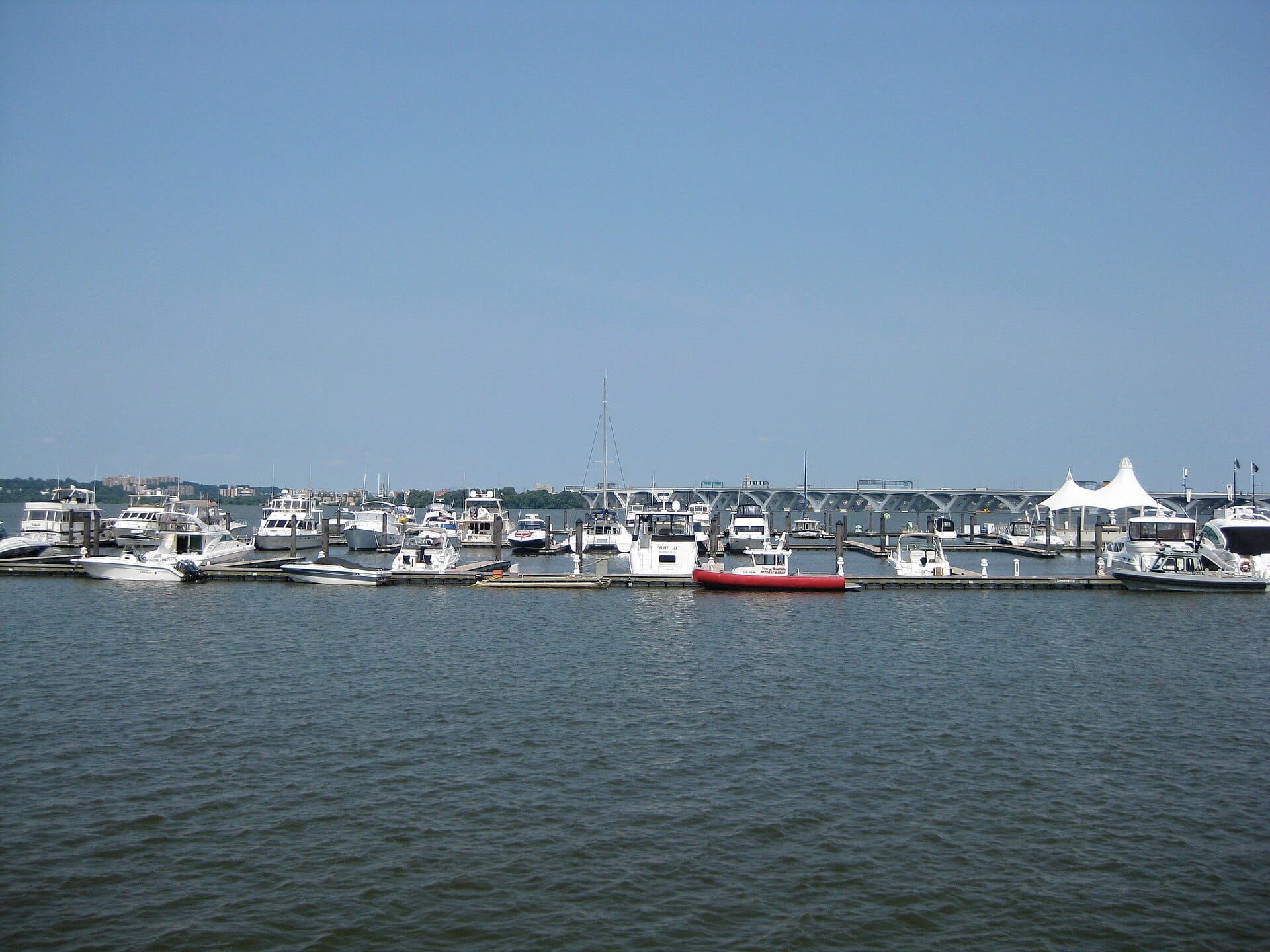
This gives the East Coast a purpose-built, immersive venue it currently doesn't have — and gives electronic music a second data point on whether this format actually scales down. The Vegas Sphere proved the technology works at the top end. Whether a global network of smaller versions can turn immersive visual shows into a standard touring stop, rather than a once-a-decade spectacle, is the real question National Harbor is about to help answer.
Feature image: Nigel Hoult, CC BY 2.0, via Wikimedia Commons.